

The night sky has charmed humans for millennia with its array of shimmering stars, many of which form patterns we call constellations. These celestial groupings have served as more than mere decorations; they’ve acted as navigational tools, timekeepers, and the canvases upon which ancient cultures painted their myths and legends. Today, the International Astronomical Union (IAU) officially recognizes 88 constellations, each with its own shape, story, and scientific significance.
This article dives deeper into the world of constellations, exploring their history, their ties to mythology, and the lasting impact of the zodiac constellations. We’ll also answer frequently asked questions to help you better appreciate the stars above.
The 88 Officially Recognized Constellations
The modern constellation map is a standardized set of 88 regions that divide the celestial sphere, each named after its most prominent star pattern. These constellations are not new creations; many date back thousands of years and were first recognized by ancient civilizations like the Sumerians, Egyptians, and Babylonians.
Out of these 88 constellations:
- 42 depict animals (zoological forms like Leo the lion or Aquila the eagle).
- 29 portray inanimate objects (such as Lyra, the lyre, and Crux, the cross).
- 17 represent humans or mythological characters (like Orion, the hunter, and Andromeda, the chained maiden).
These constellations fill both the northern and southern hemispheres, offering stargazers all over the world the chance to connect with these timeless visual stories.
Notable Constellations and Their Roles
Some constellations stand out as particularly significant due to their size, visibility, or cultural impact. For example:
Hydra is the largest constellation, occupying 3.2% of the Southern night sky. Represented as a water serpent, Hydra has roots in Greek mythology, where it is the serpent Hercules defeated in one of his infamous labors.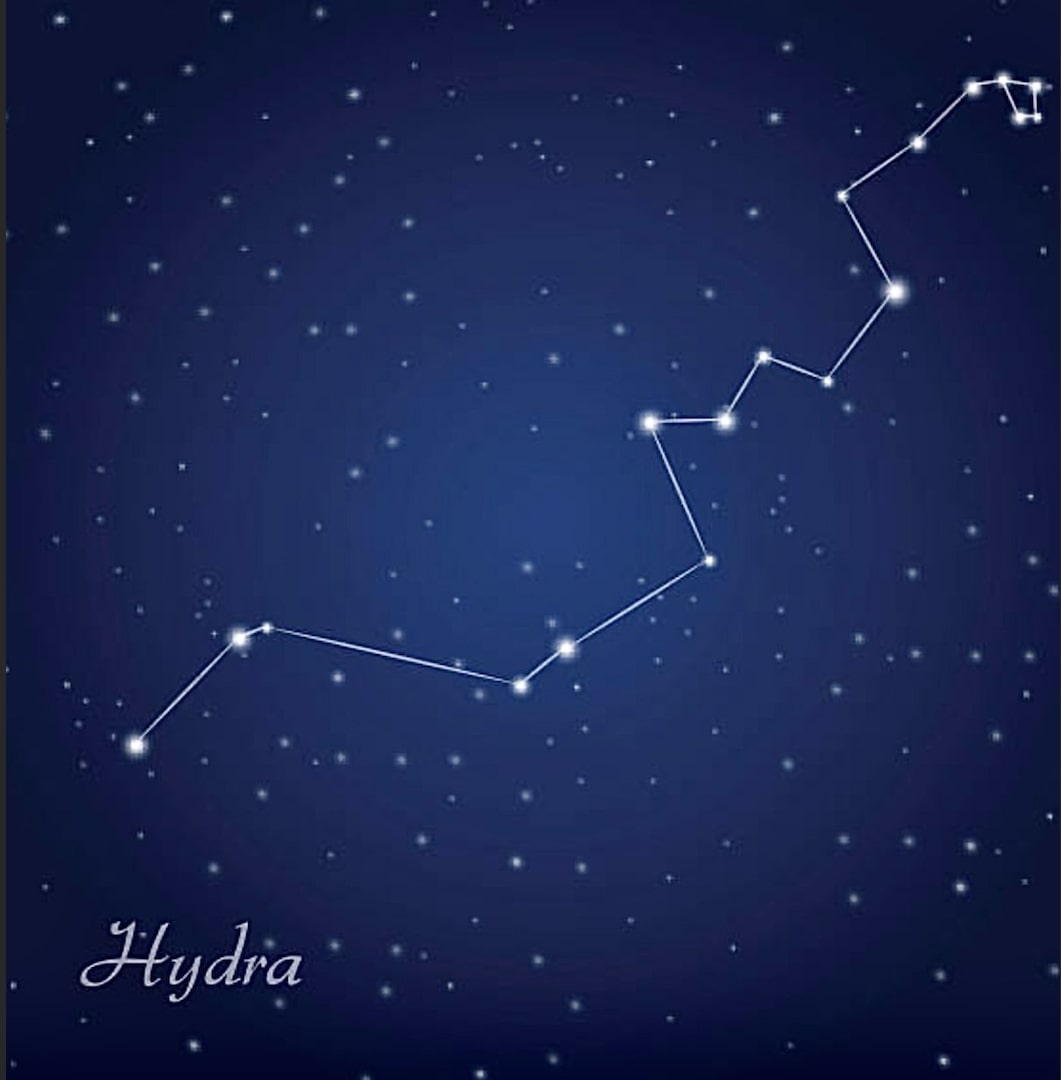
Ursa Major includes the famous Big Dipper asterism and has long been used by navigators to locate the North Star.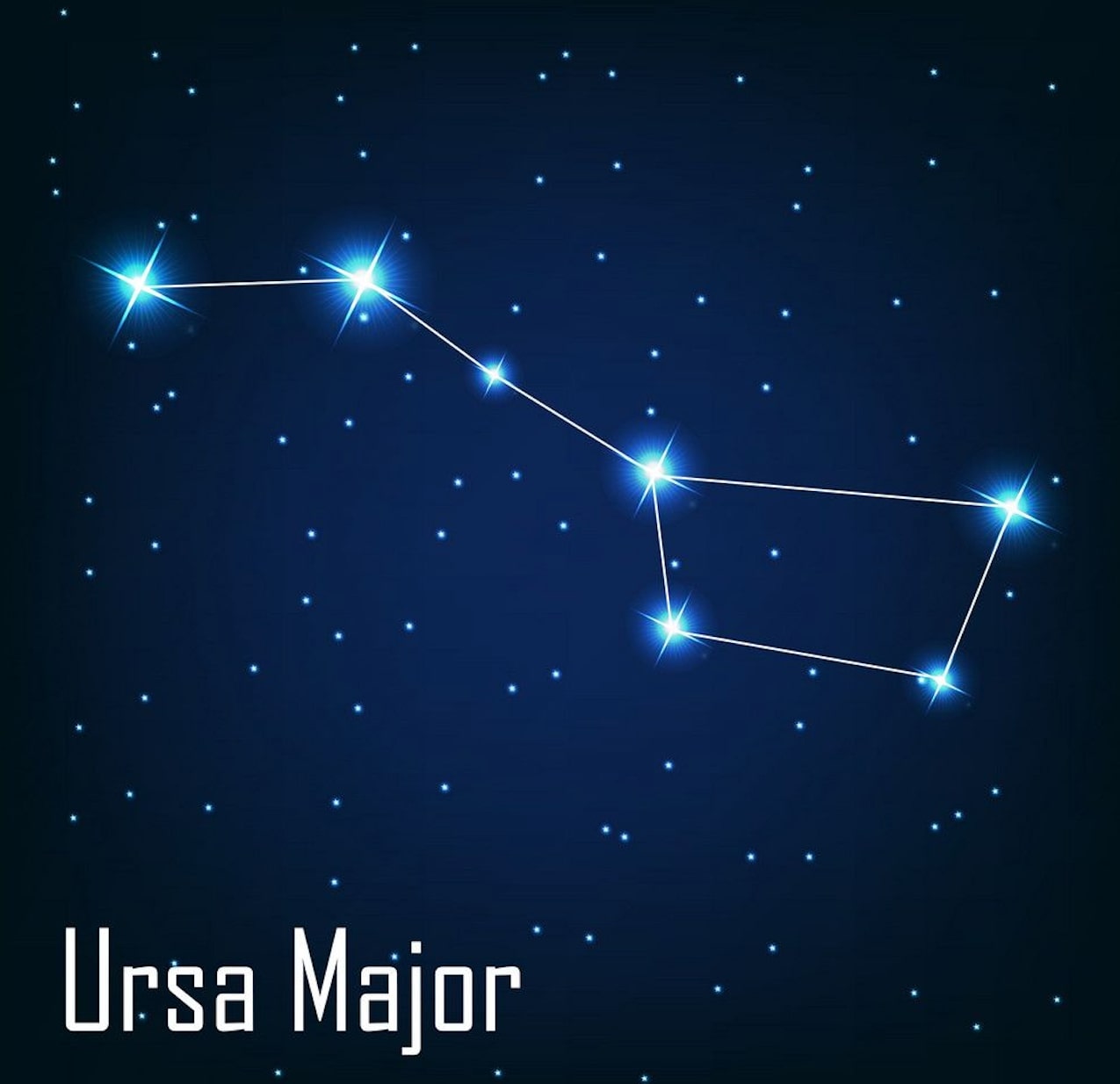
Orion, recognizable due to its “belt” of three aligned stars, is one of the most prominent constellations visible globally. Associated with the hunter in Greek mythology, it has captivated cultures around the world with its symmetry and brightness.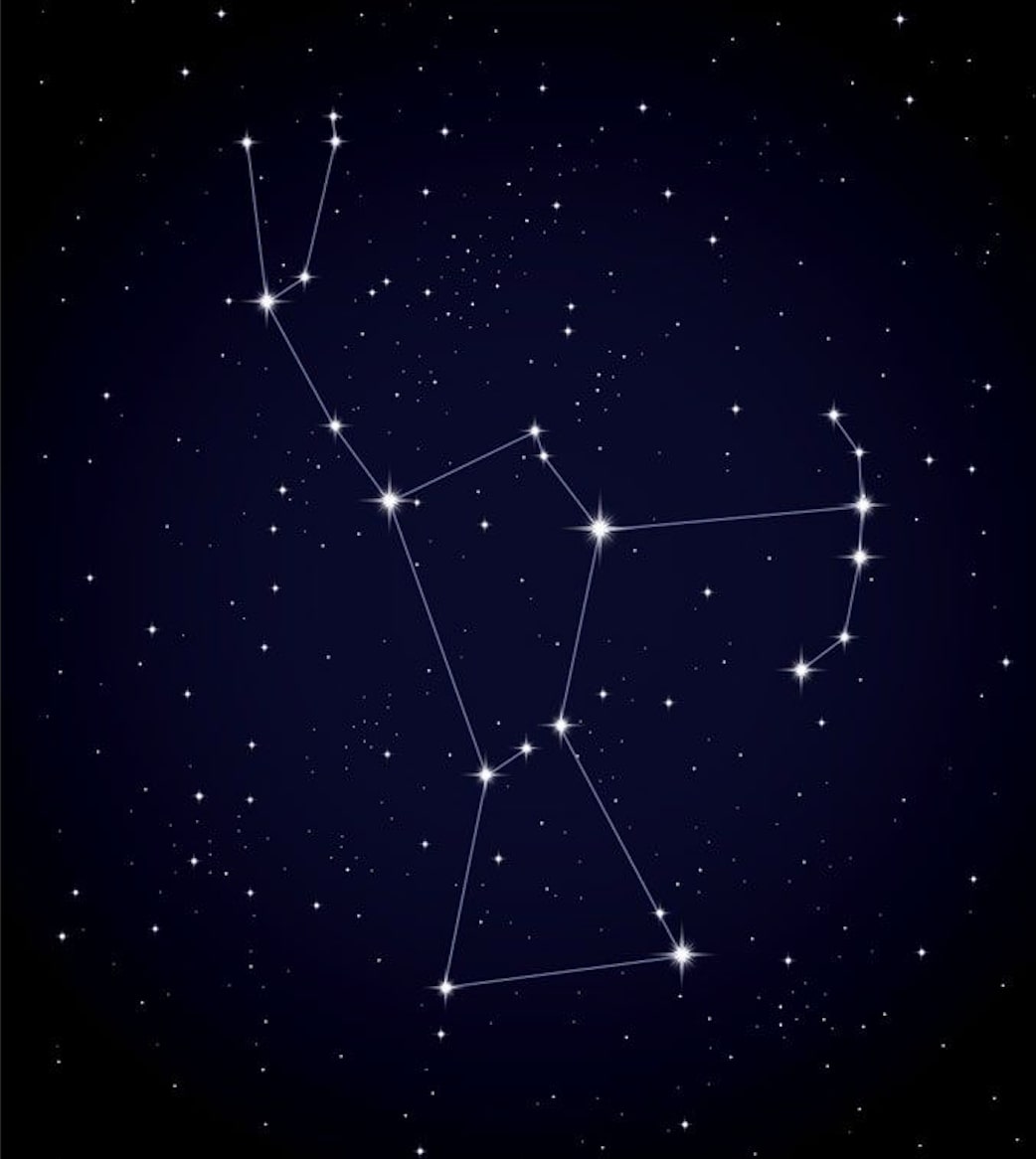
Constellations not only tell tales but also help scientists. By sectioning the sky, constellations give astronomers a convenient way to identify specific regions of interest, such as the location of a newly discovered comet or star.
Historical Significance of Constellations
Thousands of years ago, before the invention of clocks and GPS, civilizations relied on the stars to measure time and place. Ancient societies charted the movement of constellations to track the changing of seasons and ensure successful harvests. Constellations acted as celestial calendars, marking solstices, equinoxes, and significant astronomical phenomena.
For instance, the appearance of the constellation Virgo in the night sky often signaled harvest season for ancient Greeks and Romans, linking astronomy to agricultural cycles. Similarly, Polynesian navigators are well known for their sophisticated use of constellations like Orion and the Southern Cross for long-distance ocean voyages across the Pacific.
Myths and Legends
The constellations are steeped in mythology, blending ancient storytelling with celestial observations. Some notable examples include:
Lyra: Depicting the lyre created by Hermes and gifted to Orpheus, this constellation immortalizes Orpheus’ musical talents and tragic love story. After Orpheus’ lyre enchanted mortals, gods, and even Hades, Zeus placed it in the sky as a tribute.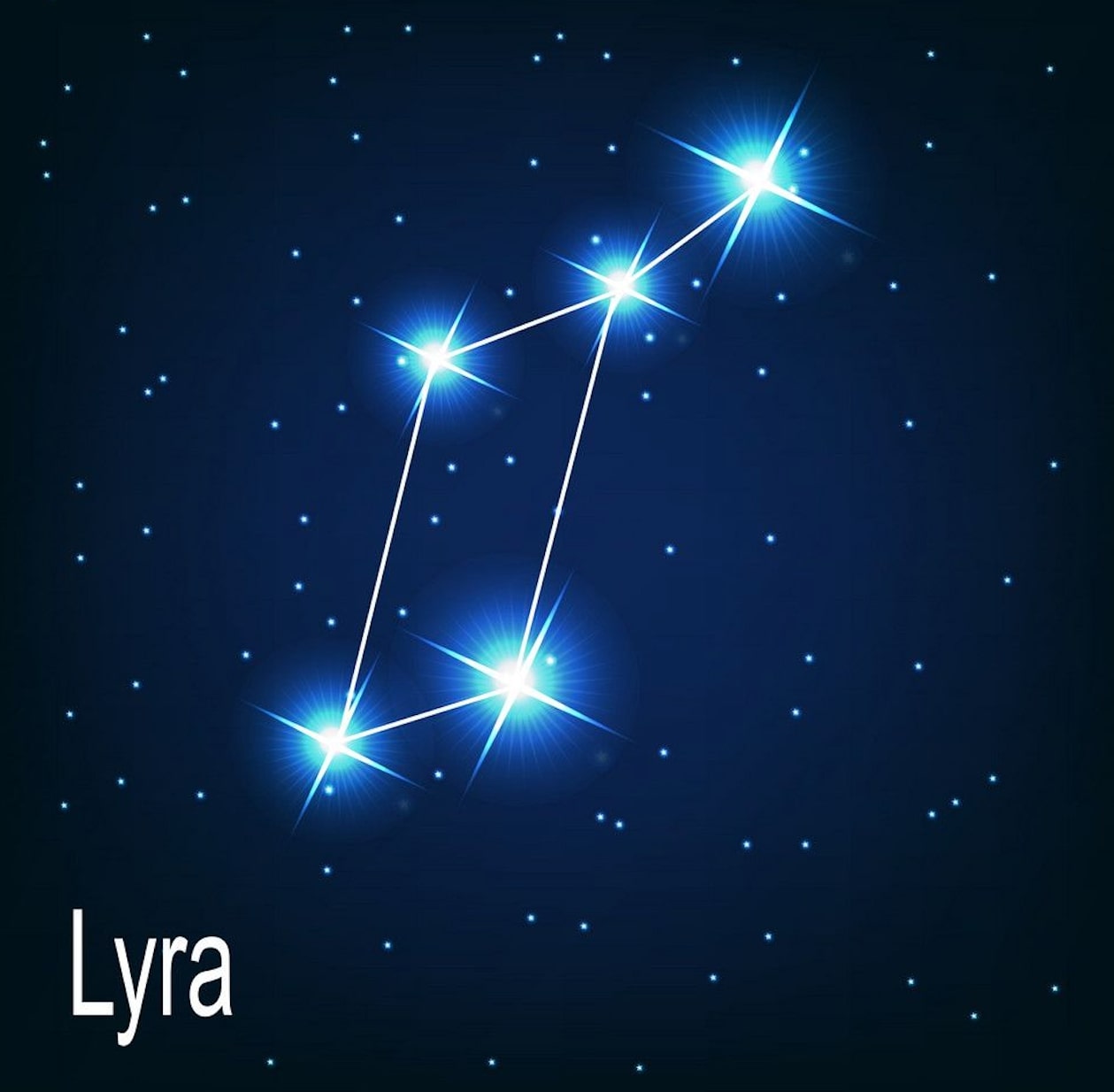
Andromeda: Named after the princess chained to a rock as a sacrifice to a sea monster, Andromeda’s story intertwines with the heroic deeds of Perseus.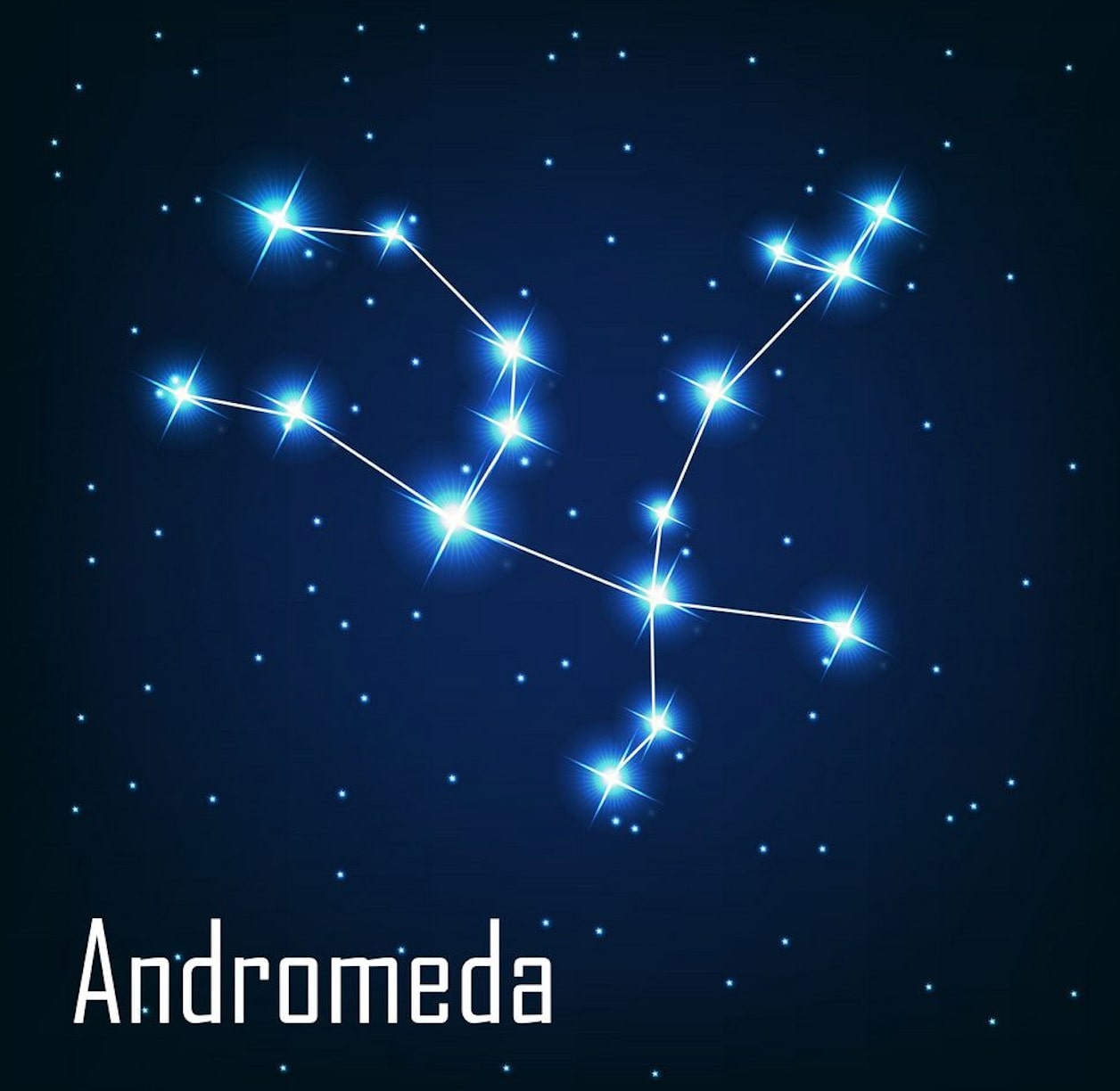
Pegasus: This winged horse represents inspiration and swiftness, born from a Greek myth where its hooves struck the ground to create the fountain of Hippocrene. 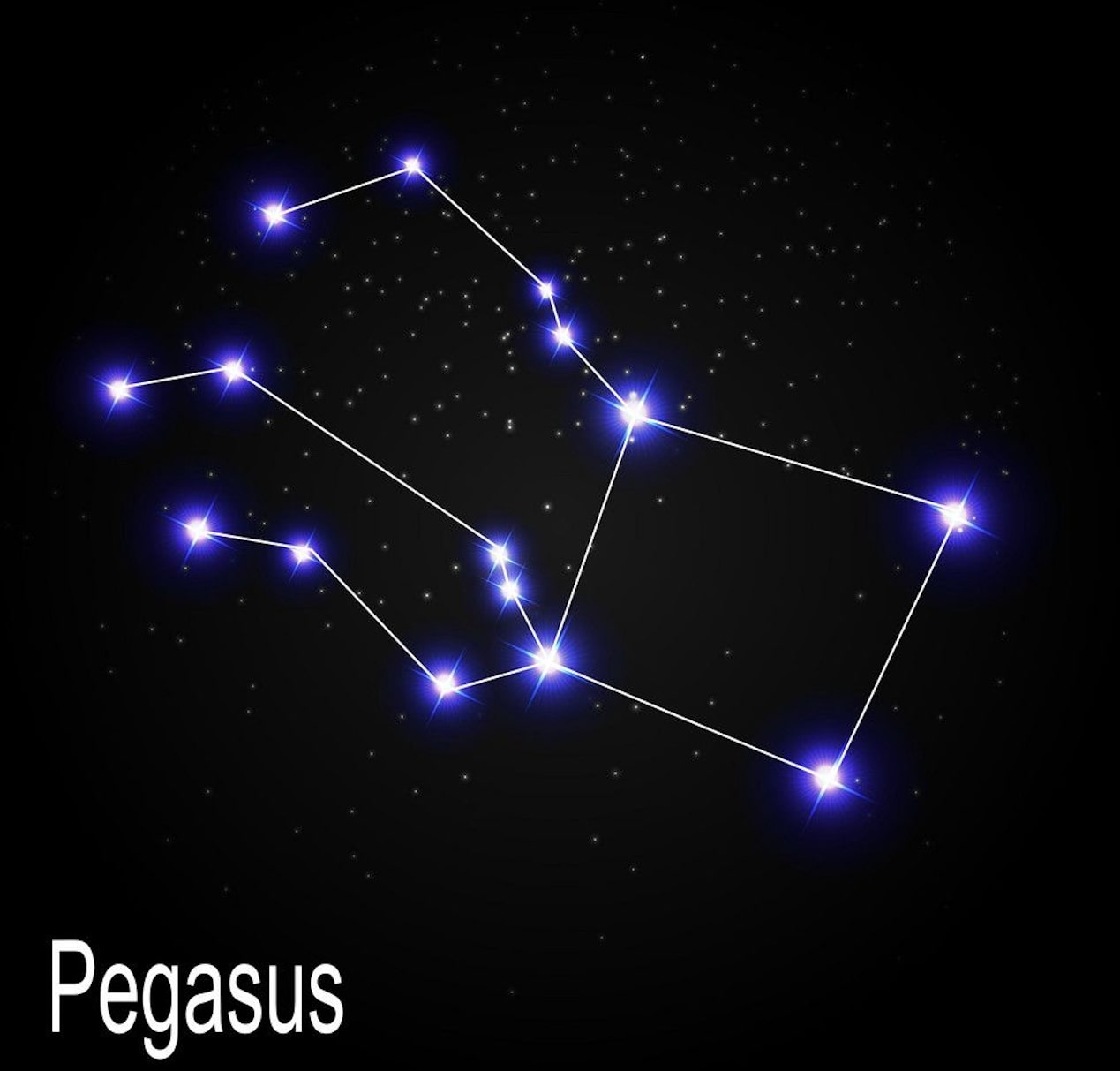
Mythology not only gave constellations their charm but also provided context and cultural connections that persisted through generations. Many of these stories continue to fascinate and inspire people today.
The Zodiac Constellations
One of the most recognized subsets of constellations is the zodiac. The zodiac is a band of 12 constellations that lie along the ecliptic plane—the Sun’s apparent path across the sky as seen from Earth. These constellations are Aries, Taurus, Gemini, Cancer, Leo, Virgo, Libra, Scorpio, Sagittarius, Capricorn, Aquarius, and Pisces.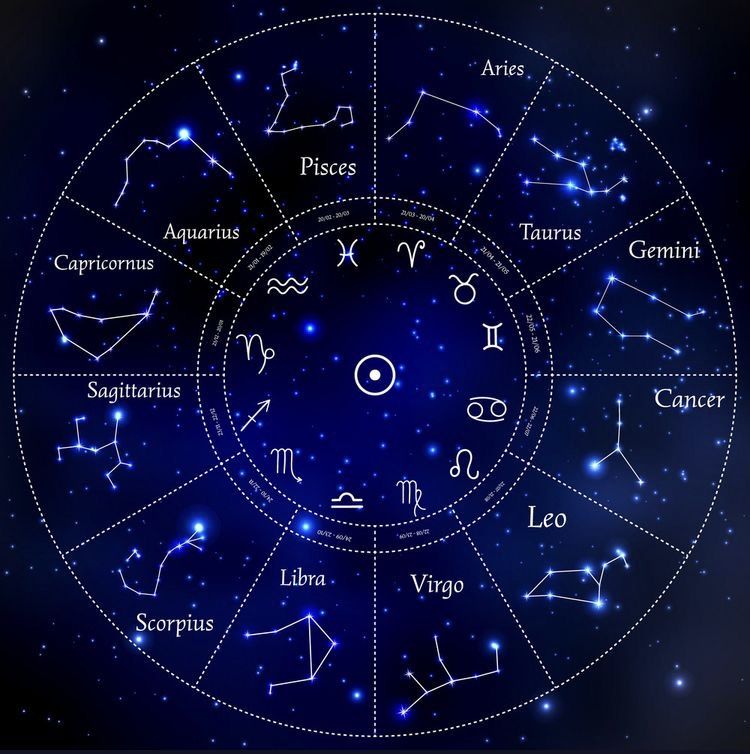
Historical and Astrological Role of the Zodiac
The zodiac originated with ancient Egyptians, who passed their knowledge on to Babylonians. Early astronomers noticed that it took 12 lunar cycles for the Sun to return to the same position in the sky. They divided the ecliptic into 12 equal parts and named each section after a prominent constellation within it.
For astrologers, each zodiac sign became associated with specific traits and elements:
- Fire Signs (Aries, Leo, Sagittarius): Linked to passion, energy, and creativity.
- Water Signs (Cancer, Scorpio, Pisces): Tied to emotion, intuition, and adaptability.
- Air Signs (Gemini, Libra, Aquarius): Represent intellect, communication, and ideas.
- Earth Signs (Taurus, Virgo, Capricorn): Represent stability, practicality, and grounding.
Astrology aside, the zodiac constellations remain astronomically important. They help stargazers pinpoint the approximate position of the Sun, Moon, and planets along their celestial journeys.
FAQs About Constellations
1. How Many Constellations Are There?
The International Astronomical Union officially recognizes 88 constellations, serving as a standardized map of the night sky.
2. Why Were Constellations Invented?
Ancient civilizations created constellations to track time, mark events (like solstices and equinoxes), and tell stories that reflected their cultures and values. Over time, these groupings became vital to navigation, agriculture, and religion.
3. How Are Constellations Named?
Most constellation names stem from Greek, Roman, and Babylonian mythology. Early astronomers assigned names based on what the star arrangements resembled, such as animals, objects, or mythical figures.
4. Can You See All 88 Constellations from One Location?
No. Constellations are divided between northern and southern hemispheres. For example, Ursa Major is visible in the northern sky, while Crux is exclusive to the southern sky. Your location on Earth determines which constellations are visible to you.
5. Do Constellations Ever Change Positon?
Yes. Because of Earth’s rotation and its year-long orbit around the Sun, constellations appear to shift slightly each night and change their position throughout the year. However, these changes are predictable and follow a cyclical pattern.
6. What Are Asterisms? Are They Constellations?
Asterisms are recognizable star patterns that are often part of a larger constellation. For example, the Big Dipper is an asterism within Ursa Major. While visually distinct, asterisms are not recognized as full constellations.
7. How Can I Identify Constellations?
You can identify constellations using star charts, planetarium apps, or telescopes. Start with prominent, easy-to-recognize constellations like Orion or the Big Dipper, and work your way to smaller, dimmer ones.
8. Are Constellations Scientifically Important?
Yes. Constellations serve as reference points for astronomers, helping them locate celestial objects like stars, galaxies, and planets in a specific region of the sky.
Starry Wonders Above
Constellations beautifully blend science, history, and mythology into the fabric of human culture. They teach us about ancient traditions, guide our exploration of space, and deepen our awareness of the universe. Whether you’re a seasoned astronomer or someone who simply loves gazing at the stars, the constellations have something to offer everyone—a reminder that the night sky is as much a window to our past as it is to our cosmic future.
Now that you know the stories and significance behind these shimmering constellations, step outside on a clear night, tilt your head up, and start exploring the timeless wonders they hold!